
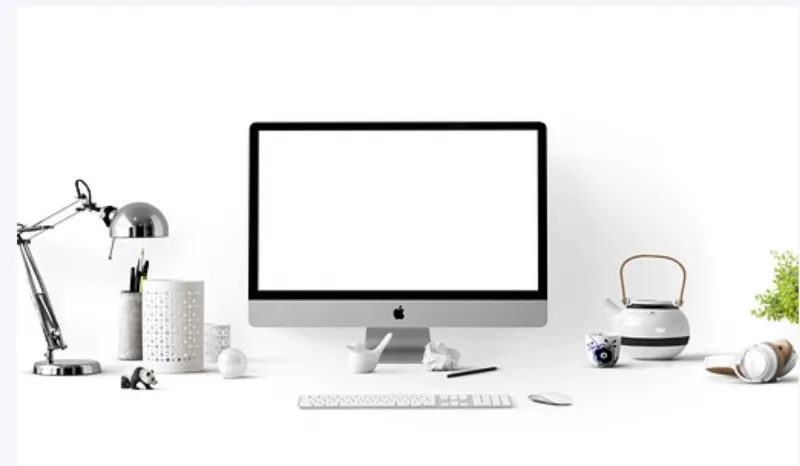
How have you found working from home? I’ve had some lovely patients ask me about lighting, so I wanted to share some practical information to help your eyes feel more comfortable and reduce eye strain.
One important thing to keep in mind: good room lighting is essential. Your eyes shouldn’t have to continually adjust between the brightness on your screen and the dimness of the room. Constant readjustment is a major driver of eye fatigue.
Choosing a desk lamp
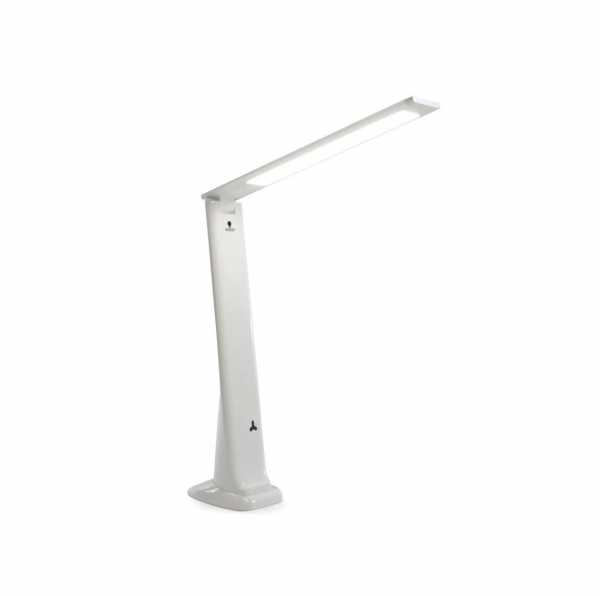
When choosing a desk lamp, make sure it:
- Has adjustable lighting
- Does not flicker
- Uses a high-quality LED or halogen lightbulb (not fluorescent)
A closer light source directed at your reading material is far more effective than a bright ceiling light from above.
Optimising your workspace lighting
- Always have a well-lit room and a well-lit device, book, or desk
- The brightness of your screen should be similar to that of the ambient room lighting, never read in the dark
- Make sure your lighting is flicker-free
- Position your lamp so it comes from above your shoulder or behind you, not directly in your line of sight
- Install blinds to block bright sunlight at certain times of day
- Position your workstation at a 90-degree angle from large windows to reduce glare
- Replace a single high-intensity light fixture with several lower-intensity lights
- Adjust your monitor brightness to match the brightness of the area directly behind it
- Avoid positioning your monitor directly under an overhead light
- Cover naked light bulbs with shades to soften and direct light away from your eyes
- Use apps like f.lux to automatically adjust your screen brightness based on the time of day
What about blue light? Is it actually harmful?
Despite widespread marketing claims, there is no evidence that normal amounts of blue light from screens harm your eyes. The blue light exposure from devices is much less than what you receive from sunlight outdoors.
Eye strain from screens is real, but it’s caused by factors like reduced blinking, prolonged focus, poor posture, uncorrected prescriptions, and inadequate lighting. Not blue light itself.
An optometrist can assess your individual situation and recommend solutions such as updated glasses, lubricating eye drops, blink exercises, or workspace adjustments.
What if I’m a poor sleeper?
In this case, yes, there is evidence that blue light can affect your sleeping patterns by suppressing melatonin production. If you suffer from poor sleep quality, it could be worthwhile:
- Using blue-filtering apps on your devices in the evenings
- Considering blue filter anti-reflective coatings on any prescription lenses
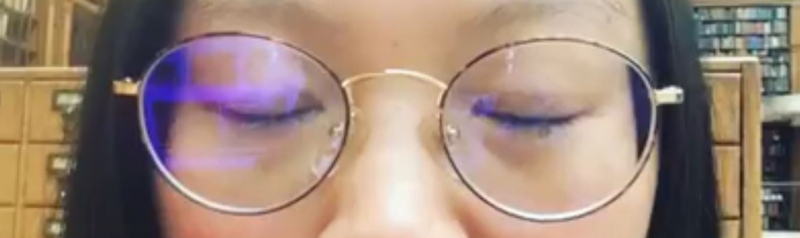
Importantly, there are lens options that filter blue light without the blue sheen that some people dislike, just ask me during your visit. There are also some excellent blue filter lenses available that look perfectly clear while still filtering the relevant wavelengths.
Book an appointment if you’d like your eyes comprehensively assessed and a recommendation tailored to your specific situation.

15 years of experience as an optometrist and owner of Carina Eye Care, experienced in prescribing the full range of myopia management options.
Written and medically reviewed by Dr Carina Trinh, BOptom · AHPRA Registered (OPT0001663121) · Optometry Australia Member · CCLSA Member · OSO Member · IOA Member.